
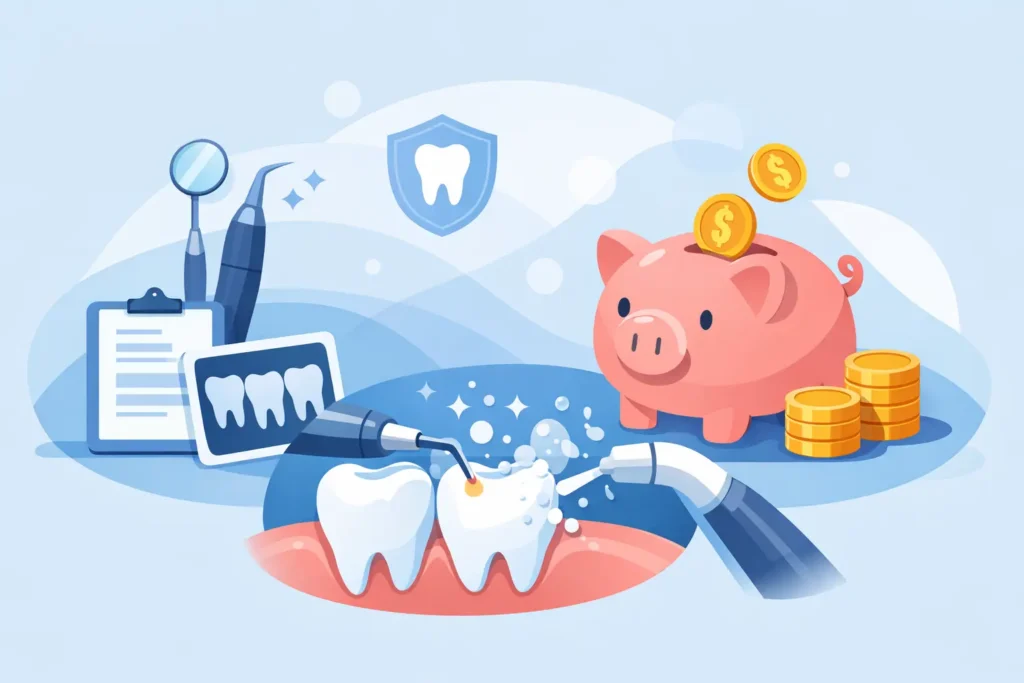
A cleaning appointment can look simple on the calendar, but the price behind it is not always one flat number. If you have ever wondered why dental routine cleaning cost can vary from one visit to the next, the short answer is this: the fee usually reflects your oral health needs, the type of cleaning required, and what is included in the appointment.
For many patients, that difference matters less as a random price tag and more as a question of value. You want to know what you are paying for, whether the treatment is necessary, and whether regular cleanings actually help you avoid bigger dental bills later. That is a fair concern, especially for families trying to plan care for children and adults at the same time.
What affects dental routine cleaning cost?
In most cases, a routine cleaning is one of the more affordable preventive dental services. But “routine” only applies when plaque and tartar buildup are relatively mild and your gums are healthy enough for a standard cleaning. If your teeth have not been professionally cleaned for a long time, or if your gums are inflamed, the appointment may involve more than a quick polish.
The biggest factor is the condition of your teeth and gums. A person who comes in every six months and keeps up with home care will usually need less time and less intensive treatment than someone dealing with heavy tartar buildup or early gum disease. That difference can change both the scope of treatment and the cost.
Another factor is what is bundled into the visit. Some appointments include an exam, basic scaling, polishing, and oral hygiene advice. Others may also involve X-rays, fluoride treatment, or a more detailed periodontal assessment. When patients compare prices without checking what is included, they are often comparing different services.
Clinic standards also play a role. A modern clinic with updated equipment, strong sterilization protocols, trained staff, and careful patient communication may not be the lowest-priced option. For many families, though, comfort, consistency, and confidence in the quality of care are worth paying for.
What is usually included in a routine cleaning?
A standard dental cleaning typically focuses on removing plaque and tartar from the tooth surfaces, especially in areas that are hard to clean well at home. After that, the teeth may be polished to remove surface stains and leave the mouth feeling smoother and cleaner.
In many clinics, the visit also includes a basic check of your gums, teeth, and existing dental work. If the dentist sees signs of cavities, gum irritation, worn fillings, or other concerns, those findings are usually discussed before they become bigger issues. That is one reason preventive visits matter. You are not only paying for cleaner teeth. You are also paying for the chance to catch problems early.
Some patients expect every cleaning visit to be exactly the same, but that is not always realistic. A child coming in for preventive care may need a very different appointment from an adult with crown work, tight spacing, or sensitive gums. The core purpose is the same, but the details can vary.
Dental routine cleaning cost vs. deep cleaning
This is where confusion happens most often. Patients may book what they believe is a regular cleaning, only to be told they need something more involved. That can feel frustrating unless the difference is explained clearly.
A routine cleaning is generally for patients with healthy gums or only mild buildup above the gumline. A deep cleaning, often called scaling and root planing, is different. It is used when there are signs of gum disease and buildup extends below the gumline, where bacteria can irritate the tissues supporting the teeth.
Because a deep cleaning takes more time, more skill, and often more than one session, it usually costs more than a standard cleaning. It may also require numbing for comfort. So if you hear a higher quote than expected, it does not always mean the clinic is charging more for the same service. It may mean the treatment itself is different.
That is why a proper exam matters before discussing fees in detail. It helps ensure you are getting the right treatment, not simply the cheapest one.
When a lower price is not always better
Everyone likes to save money, and there is nothing wrong with asking about cost. But with dental care, the lowest fee is not always the best value. If a cleaning is rushed, incomplete, or treated as a quick transaction, the result may not support your long-term oral health.
A careful cleaning should be thorough without being rough. You should also leave with a clear understanding of your current condition, any concerns to watch, and when to return. If your gums bleed easily, if tartar is building up repeatedly, or if you have restorations that need monitoring, those details matter.
For parents, this is especially important. Children benefit from positive, comfortable dental experiences early on. Adults often benefit from a dentist who notices developing issues before they turn into pain, infection, or more expensive treatment. In that sense, the real cost of skipping quality preventive care can be much higher than the cleaning itself.
How often should you schedule cleanings?
For many people, every six months is a reasonable schedule. That timing helps manage plaque and tartar before they become harder to remove and gives the dental team regular opportunities to check for changes.
Still, six months is not a rule for every patient. Some people with excellent home care and low risk may do well on a longer interval, while others need more frequent visits because of gum inflammation, braces, smoking, dry mouth, diabetes, or a history of heavy buildup. This is one of those areas where it depends.
If you tend to delay care until something hurts, routine cleaning costs can start to feel larger simply because each visit becomes more involved. On the other hand, patients who stay on schedule often find that appointments are simpler, more comfortable, and easier to budget for.
How to ask about cleaning fees the right way
If you are calling a clinic to ask about price, it helps to ask one more question after the number: “What does that include?” That small step can tell you a lot.
A useful conversation should clarify whether the fee covers only scaling and polishing or also includes a dental exam, X-rays, fluoride, or gum assessment. It is also reasonable to ask what happens if the dentist finds that you need more than a routine cleaning. Clear expectations help you avoid surprises.
If you have not had a cleaning in quite some time, it is wise to mention that too. Doing so gives the clinic a better chance to explain possible next steps honestly. A good dental team should not pressure you, but they should prepare you for the possibility that treatment needs may be different from what you expected.
Why preventive care usually saves money over time
Routine cleanings are not just about appearance, though many patients enjoy that freshly polished feeling. Their bigger role is prevention. Plaque hardens into tartar, tartar contributes to gum irritation, and untreated gum problems can lead to more complex care later.
The same visit can also reveal early cavities, worn fillings, cracked teeth, bite issues, and hygiene habits that need adjustment. Catching these concerns early often means smaller, simpler treatment. Ignoring them can lead to fillings becoming crowns, sensitivity becoming root canal therapy, or gum inflammation becoming periodontal treatment.
That is why many patients come to see regular cleanings as part of protecting the rest of their dental investment. Whether you have natural teeth, braces, crowns, dentures, or implants, maintenance matters.
What to expect from a quality cleaning visit
A good cleaning appointment should feel professional, respectful, and tailored to you. The process should be explained clearly. If you are nervous, sensitive, or have had uncomfortable dental visits in the past, that should be taken seriously.
At a family-focused clinic like Ideal Smile, patients often value more than technical treatment alone. They want consistency, gentle care, and honest guidance about what their mouth needs now and what can wait. That trust is part of the experience, and for many people, it is part of the value behind the fee.
If you are comparing dental routine cleaning cost, look beyond the headline number. Ask what kind of cleaning you need, what is included, and whether the appointment supports your long-term oral health rather than just checking a box. A cleaning should leave your teeth feeling better, but it should also leave you more confident about the care of your smile.

Pingback: Dental Exam and Cleaning Cost Explained - Klinik Pergigian Kulim
Pingback: Top Signs of Gum Disease You Should Not Ignore - Klinik Pergigian Kulim