
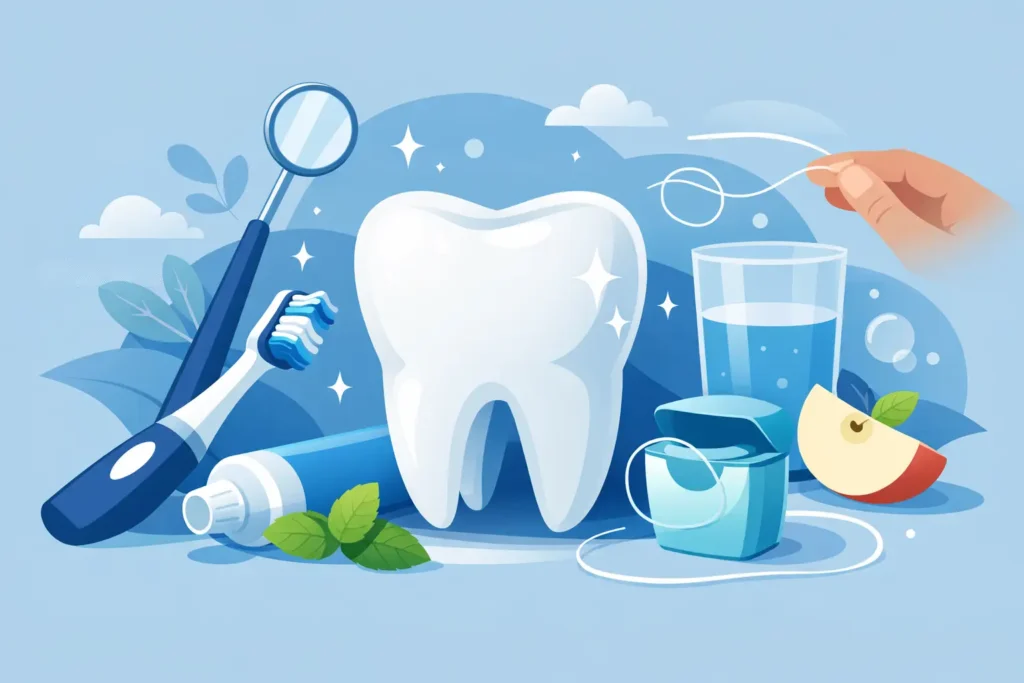
That just-clean feeling after a dental visit never seems to last as long as you want it to. A few days later, the smoothness fades, plaque starts building again, and certain spots in the back of the mouth begin to feel harder to reach. If you have ever wondered how to keep teeth clean between cleanings, the answer is not a complicated routine. It is a consistent one.
Professional cleanings remove hardened buildup that brushing at home cannot handle. But the time between appointments matters just as much. Daily habits shape how quickly plaque returns, how healthy your gums stay, and whether small problems are caught before they turn into cavities or gum inflammation.
Why keeping teeth clean between cleanings matters
Plaque begins forming on teeth within hours after brushing. If it is not removed well, it thickens and settles along the gumline and between teeth, where a toothbrush often misses. Over time, that can lead to bad breath, bleeding gums, sensitivity, and decay.
This is why learning how to keep teeth clean between cleanings is really about prevention. It helps protect the work done during your dental visit and makes future cleanings easier, faster, and more comfortable. It also supports something patients often care about right away – a mouth that feels fresh and looks cleaner every day.
The good news is that effective home care does not require expensive products or a long list of steps. It requires using the right methods, in the right areas, every day.
Start with better brushing, not harder brushing
Many people brush often enough but still leave plaque behind. Usually the issue is technique, timing, or brush choice rather than effort.
Brush twice a day for two full minutes using a soft-bristled toothbrush. Angle the bristles slightly toward the gumline and use gentle circular motions rather than aggressive back-and-forth scrubbing. Brushing too hard can wear enamel over time and irritate the gums, especially near the front teeth and along exposed roots.
Electric toothbrushes can help, especially for busy adults, teens with braces, or anyone who tends to rush. They often do a better job of maintaining even pressure and cleaning the gumline consistently. A manual brush can still work very well, but it depends more on your technique.
Pay extra attention to the back molars, the inside surfaces of the lower front teeth, and the area where the teeth meet the gums. These are common plaque traps. If your teeth always feel rough in the same places, that is a clue your brushing pattern needs adjusting.
Clean between the teeth every day
If you only brush and skip the spaces between your teeth, you are leaving a significant amount of plaque behind. These tight areas are where cavities and gum inflammation often begin, especially if food tends to get stuck after meals.
Flossing once a day is one of the most effective ways to keep teeth clean between cleanings. The key is not just sliding the floss in and out. Curve it gently around each tooth in a C-shape and move it below the gumline without snapping. That is what helps remove plaque instead of simply disturbing it.
If regular floss feels awkward, floss picks may be easier to use, though they can be less effective in tight spaces if used too quickly. Water flossers are another good option for patients with braces, bridges, implants, or dexterity issues. They are helpful, but they should be used properly and consistently to make a real difference.
The best choice is the one you will actually use every day. A perfect method that sits unopened in the bathroom cabinet will not protect your teeth.
Choose a toothpaste and mouthwash that match your needs
A fluoride toothpaste remains the standard choice for most people because it strengthens enamel and helps prevent cavities. If you have sensitivity, a sensitivity toothpaste may help, but it usually needs regular use over time to work well.
Mouthwash can support your routine, but it should not replace brushing or flossing. If your main concern is cavity prevention, use a fluoride rinse. If you struggle with gum irritation or persistent bad breath, an antibacterial rinse may be more useful. It depends on what your dentist has seen in your mouth and what tends to build up between visits.
Be cautious with whitening products if you already have sensitivity or gum irritation. A brighter smile is appealing, but overusing whitening toothpaste or strips can sometimes make teeth feel more sensitive without addressing the real cause of stains, especially if plaque is still collecting near the gums.
Food choices affect how clean your teeth stay
What you eat changes the environment in your mouth throughout the day. Frequent snacking, sugary drinks, and sticky foods give plaque more opportunities to feed on sugars and produce acid.
This does not mean you need a perfect diet to maintain a healthy smile. It does mean that how often you eat sugary or starchy foods matters. Sipping sweet coffee over several hours or reaching for frequent snacks can be harder on the teeth than having those foods with a meal.
Water helps more than most people realize. Drinking water after meals can rinse away loose food particles, reduce dryness, and help clear acids from the mouth. Crunchy fruits and vegetables can also support a cleaner feeling, though they do not replace brushing.
If you have children, this matters even more with juice, milk before bed, and sticky treats that cling to grooves in the back teeth. For adults, dried fruit, sweetened tea, and late-night snacking can be common hidden contributors.
Watch for the habits that undo your effort
Sometimes people do many things right but still struggle with buildup because a few daily habits are working against them.
Mouth breathing can dry out the mouth and increase plaque accumulation, especially overnight. Smoking and vaping can worsen staining, affect gum health, and make it easier for tartar to build. Clenching or grinding may not directly cause plaque, but it can create sore areas, gum recession, or sensitivity that make brushing uncomfortable, leading people to clean less thoroughly.
Another common issue is replacing your toothbrush too late. If the bristles are splayed, they are not cleaning well. For most people, changing the brush or brush head every three months is reasonable, sooner if you have been sick or the bristles wear out early.
How to keep teeth clean between cleanings if you have braces, crowns, or implants
Some mouths need a more tailored approach. Braces create many small ledges where food and plaque can collect. Crowns and bridges can trap debris at the edges. Implants need excellent gum care to stay healthy long term.
In these cases, small interdental brushes, floss threaders, or a water flosser may be especially useful. The routine may take a little longer, but that extra time helps prevent much bigger problems later. If you have dental work and certain areas always feel difficult to clean, ask your dentist or hygienist to show you the best tool for that exact spot. Small adjustments in technique often make home care much easier.
Know when home care is not enough
Even a strong routine has limits. If you notice bleeding when brushing or flossing that continues beyond a few days, persistent bad breath, visible tartar near the gums, tooth sensitivity, or food trapping in one specific area, it is worth getting checked.
These signs do not always mean something serious, but they usually mean something needs attention. A filling may be wearing down, the gums may be inflamed, or tartar may already be present in places a toothbrush cannot reach. Waiting too long often turns a simple fix into a more involved one.
Regular checkups and cleanings are still essential because they catch what home care cannot. For families trying to stay ahead of dental problems, that combination matters most – strong daily habits at home and timely professional care when needed.
At Ideal Smile, this is often the difference patients notice over time: not just cleaner teeth after one appointment, but healthier smiles that stay more comfortable between visits.
Make your routine realistic
The best oral care routine is one you can keep even on busy mornings, late nights, and school-day rushes. If your current plan feels too complicated, simplify it. Brush well twice a day, clean between the teeth once a day, drink more water, and keep up with your regular dental visits.
Small habits done consistently usually beat ambitious routines done for three days and forgotten. If your mouth feels cleaner at the end of the day, your gums are not bleeding, and your dental visits are staying straightforward, you are on the right track.
A healthy smile is maintained in the ordinary moments – the two minutes at the sink, the floss before bed, the decision to schedule care before discomfort starts.
