
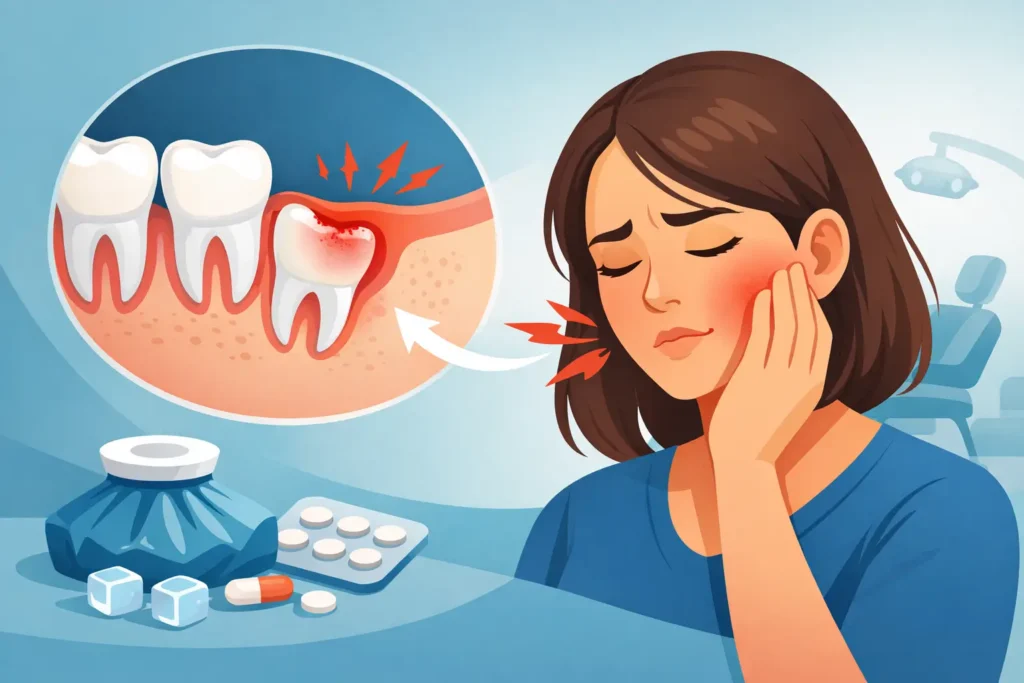
If you are asking how long does pain last after lower wisdom tooth extraction, you are probably not looking for textbook answers. You want to know what is normal, what feels worse than expected, and when pain should start easing instead of taking over your day.
Lower wisdom tooth removal is often more uncomfortable than an upper wisdom tooth extraction. The lower teeth are usually more deeply rooted in thicker bone, and in some cases the tooth is impacted or pressing against the tooth in front of it. That means the area can be more inflamed after treatment, and recovery may feel slower. Even so, there is a pattern most patients follow.
How long does pain last after lower wisdom tooth extraction in most cases?
For most people, pain is strongest during the first 24 to 72 hours. After that, it should gradually improve day by day. Mild soreness, jaw stiffness, and tenderness can continue for about 7 to 10 days, especially if the extraction was surgical or the tooth was deeply impacted.
Some patients feel mostly back to normal in a few days. Others need closer to two weeks before chewing feels comfortable again. Both can be normal. The exact timeline depends on how the tooth was positioned, how difficult the removal was, your general health, and how closely you follow aftercare instructions.
A simple lower wisdom tooth extraction usually heals faster than a surgical extraction that involves cutting the gum or removing bone. If stitches were placed, the area may feel tight or sore until the tissue settles.
What pain is normal after the procedure?
Normal pain after a lower wisdom tooth extraction is usually described as throbbing, aching, or tenderness around the socket and jaw. You may also feel discomfort when opening your mouth wide, swallowing, or chewing on that side.
Swelling often adds to the discomfort. In many cases, swelling gets worse on day two or three before it improves. That can make it seem like the pain is getting worse, even when the healing process is still on track.
It is also common for pain to spread slightly into the ear, temple, or nearby teeth. That does not always mean something is wrong. The nerves in the jaw can make discomfort feel broader than the extraction site itself.
A typical recovery timeline
The first day is usually about bleeding control, rest, and managing the numbness wearing off. Once the anesthetic fades, soreness begins. This is the time to stay ahead of pain with the medications your dentist prescribed or recommended.
Days two and three are often the hardest. Swelling tends to peak here, and the jaw may feel stiff. If the extraction was difficult, this stage can be uncomfortable but still normal.
By days four to seven, pain should be improving, not intensifying. You may still notice tenderness when eating or brushing near the area, but it should feel more manageable than earlier in the week.
After one to two weeks, most patients are dealing with minor sensitivity rather than true pain. The gum continues healing beyond that, and the bone underneath takes longer, but the day-to-day discomfort should be much less by this point.
Why lower wisdom teeth often hurt more
There is a reason so many patients worry more about lower wisdom teeth than upper ones. Lower wisdom tooth extractions are often more involved because the surrounding bone is denser and the tooth may be partially or fully impacted.
That added difficulty can lead to more swelling, more muscle soreness, and a greater chance of temporary jaw tightness. If your mouth was open for a long time during the procedure, the muscles around the jaw joint can also feel sore afterward. This is one reason some patients say the extraction site is not the only part that hurts.
Pain can also last longer if the tooth was infected before removal. When tissues are already inflamed, they may need more time to settle.
When pain is not normal
The key sign is not just pain itself. It is the direction the pain is going.
If your discomfort is steadily improving, that is reassuring. If the pain becomes much worse after a few days, especially around day three to five, your dentist should assess it. One common reason is dry socket, which happens when the blood clot protecting the extraction site is lost too early or does not form properly.
Dry socket pain is often intense, deep, and difficult to ignore. Patients may describe it as radiating to the ear or side of the face. The socket may look empty, and there is often a bad taste or bad breath. This kind of pain does not usually respond well to basic home care alone.
Other warning signs include fever, increasing facial swelling after day three, pus, trouble swallowing, or difficulty opening the mouth that is getting worse rather than better. These symptoms may point to infection or another complication and should not be brushed off.
What affects how long the pain lasts?
Every extraction is different, so recovery is not identical from one person to the next. Age can make a difference, as younger patients often heal faster. Smoking can slow healing and increase the risk of dry socket. Poor sleep, dehydration, and returning to strenuous activity too soon can also make recovery feel longer.
Oral hygiene matters too. You need to keep the mouth clean without disturbing the healing socket. That balance is important. If the area is neglected, bacteria can build up. If it is scrubbed too aggressively, healing tissue can be irritated.
Your pain tolerance also plays a role. Two patients with the same procedure may describe very different experiences. That does not mean one is exaggerating or the other had an easier extraction. It simply means pain is personal.
How to make recovery easier
The goal after a lower wisdom tooth extraction is not only to reduce pain, but to avoid anything that sets healing back. Rest matters more than many people expect. The body heals better when you are not pushing through work, exercise, or errands too soon.
Use cold compresses during the first 24 hours to help with swelling. Take pain relief exactly as directed. Eat soft foods, stay hydrated, and avoid using straws, spitting forcefully, or smoking, since these can disturb the clot.
After the first day, gentle saltwater rinses may help keep the area clean if your dentist advises them. Brush the rest of your teeth normally, but be careful near the extraction site.
There is a trade-off with food as well. You want nourishment to support healing, but hard, crunchy, spicy, or very hot foods can irritate the area. Softer and cooler foods are usually the safer choice early on.
When should you call your dentist?
If you are wondering whether your pain is still within the normal range, trust the pattern. Pain that peaks early and slowly improves is expected. Pain that suddenly worsens, keeps you awake despite medication, or comes with swelling, fever, or discharge deserves attention.
You should also contact your dentist if numbness persists longer than expected, bleeding does not settle, or you cannot drink enough fluids because of pain. Small concerns are easier to manage when they are addressed early.
A good dental team will not expect you to guess your way through recovery. If something feels off, asking is the right move.
The bottom line on lower wisdom tooth pain
So, how long does pain last after lower wisdom tooth extraction? In most cases, the worst discomfort lasts two to three days, with steady improvement over the following week. Mild soreness can continue for 7 to 10 days, and sometimes a little longer after a more difficult surgical removal.
What matters most is not whether you still feel something, but whether each day is moving in the right direction. Healing is not always perfectly smooth, yet it should feel gradually easier, not more intense. If your recovery seems to stall or reverse, a prompt dental review can give you peace of mind and the care you need to get comfortable again.
If you are preparing for an extraction or recovering from one now, a clear aftercare plan and the right support can make the process feel far less stressful. Most patients do get through this phase well, and with proper care, relief usually comes sooner than it feels like it will on day two.

Pingback: 10 Best Foods After Tooth Extraction - Klinik Pergigian Kulim
Pingback: How to Stop Bleeding After Tooth Extraction - Klinik Pergigian Kulim