
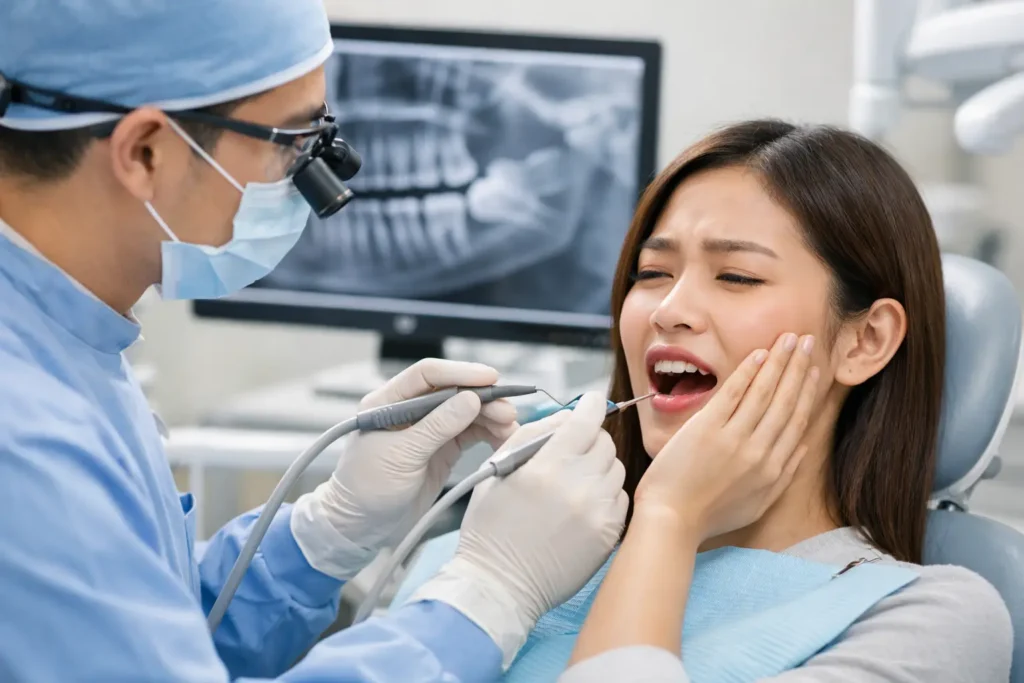
A wisdom tooth can stay quiet for years, then suddenly make chewing, sleeping, and even opening your mouth uncomfortable. If you are searching for a Kulim wisdom tooth clinic because of swelling, jaw pain, or a tooth that has only partly emerged, a timely dental assessment can prevent a small problem from becoming a more painful one.
Wisdom teeth are the last molars to develop, usually appearing in the late teens through early twenties. Some grow in normally and can be cleaned like other teeth. Others do not have enough room, remain trapped beneath the gum, or come through at an angle that affects the tooth in front of them. The right treatment depends on what is happening in your mouth, not simply on the fact that you have wisdom teeth.
When a Wisdom Tooth Needs Attention
Pain is the most common reason patients seek care, but it is not the only sign. A partly erupted wisdom tooth can leave a flap of gum around it where food and bacteria collect. This may lead to inflammation or infection, often causing tenderness at the back of the jaw, swelling, a bad taste, or difficulty cleaning the area.
You should arrange a dental visit if you notice recurring pain, swollen gums, facial swelling, trouble opening your mouth, pain when biting, or food regularly getting stuck behind your last molar. These symptoms do not always mean the tooth must be removed, but they do mean it deserves a proper examination.
A wisdom tooth may also need attention before it becomes painful. When it is angled toward the neighboring molar, it can create a hard-to-clean area between the teeth. Over time, decay or gum disease may affect both teeth. Early assessment gives your dentist the opportunity to monitor the situation or recommend treatment before the neighboring tooth is compromised.
What to Expect at a Kulim Wisdom Tooth Clinic
A reassuring experience starts with understanding the cause of the problem. Your dentist will ask about your symptoms, examine the gums and surrounding teeth, and assess how far the wisdom tooth has erupted. Digital X-rays are often needed because they show the tooth’s position below the gumline, the shape of its roots, and its relationship to nearby structures.
This information helps determine whether the tooth can be observed, treated conservatively, or removed. It also helps your dentist explain the procedure clearly before treatment begins. A straightforward erupted tooth may be removed much like another extraction. A tooth that is impacted or positioned beneath the gum may require a surgical extraction, with a small opening in the gum to access it safely.
The words “surgical extraction” can sound intimidating, but the goal is controlled, comfortable treatment. Local anesthesia numbs the area so you should not feel pain during the procedure. You may feel pressure, which is normal. Your dentist will work carefully and give you clear instructions on what to expect before, during, and after your appointment.
Why X-rays Matter Before Removal
Not every wisdom tooth has the same level of complexity. Lower wisdom teeth can be close to a nerve in the jaw, while upper wisdom teeth may sit near the sinus area. X-rays allow your dentist to plan treatment with greater precision and discuss relevant considerations based on your individual anatomy.
This is also why one person’s recovery may be easier than another’s. The tooth’s angle, root formation, gum condition, and whether infection is present can all affect the procedure and healing period. Good care is not about making a one-size-fits-all promise. It is about giving you an honest recommendation based on clear clinical findings.
Is Removal Always Necessary?
No. A fully erupted wisdom tooth that is healthy, properly positioned, easy to clean, and not affecting nearby teeth may be kept under review. Routine checkups are useful because changes can occur over time, especially in areas that are difficult to reach with a toothbrush.
Removal is commonly recommended when a tooth causes repeated infection, decay that cannot be predictably restored, gum problems, damage to the tooth beside it, or ongoing pain. It may also be advised when there is not enough space for the tooth to erupt into a functional position.
Some patients wait until discomfort becomes severe because they hope it will settle on its own. Mild irritation can sometimes improve temporarily, but recurring symptoms often point to a cleaning or positioning issue that will return. Seeking advice earlier may allow treatment to be planned at a calmer time rather than during an urgent episode of swelling and pain.
Preparing for Wisdom Tooth Treatment
Before your visit, make a note of when the pain began, whether swelling has increased, and any medication you have taken. Let the dental team know about medical conditions, allergies, pregnancy, and all medications or supplements you use. This helps your dentist choose the safest approach and provide appropriate aftercare guidance.
If you are having an extraction, try to keep the rest of the day free from demanding work, exercise, or errands. Arrange soft foods at home, such as porridge, yogurt, scrambled eggs, soup that has cooled, or mashed potatoes. You may also want to have a cold pack ready to help with swelling during the first day.
Your dentist will provide instructions tailored to your procedure, but recovery generally depends on protecting the blood clot that forms in the socket. That clot is part of normal healing. Avoid smoking, using straws, vigorous rinsing, and strenuous activity during the period your dentist recommends. These actions can disturb the area and make recovery more uncomfortable.
Caring for Your Mouth After Extraction
Some tenderness and mild swelling are common after wisdom tooth removal. The discomfort should gradually improve rather than become more severe. Take prescribed or recommended medication as directed, rest when you can, and keep the extraction area clean according to your dentist’s instructions.
For the first 24 hours, gentle pressure on gauze can help manage light bleeding. After that, careful oral hygiene matters. You may be advised to brush the other areas of your mouth as usual while taking extra care near the extraction site. Do not poke the socket with your finger or tongue, even if it feels unfamiliar.
Contact your dental clinic if bleeding does not settle, swelling worsens after a few days, you develop a fever, pain becomes severe or starts increasing after initial improvement, or you notice persistent numbness. Prompt advice can help address complications early and give you peace of mind.
What About Antibiotics?
Antibiotics are not automatically needed for every wisdom tooth extraction. They may be considered when there are signs of infection or specific medical factors that require additional protection. Your dentist will decide based on your condition rather than prescribing them as a routine step. If antibiotics are prescribed, take them exactly as directed and complete the course unless your dentist advises otherwise.
Choosing Care You Can Feel Comfortable With
Wisdom tooth concerns can make even confident patients feel anxious, especially when the pain is unexpected. Look for a clinic that takes time to examine the tooth properly, uses diagnostic imaging when needed, explains your options in plain language, and provides clear recovery support.
At Ideal Smile, wisdom tooth treatment is approached as part of your long-term oral health, not as an isolated procedure. Whether you need monitoring, treatment for an inflamed gum, or a planned extraction, the focus is on helping you protect your comfort and the health of the teeth around it.
Do not wait for a difficult-to-clean wisdom tooth to dictate your meals or interrupt your sleep. A professional assessment can replace uncertainty with a clear next step, so you can make a decision that feels right for your health and your smile.

Pingback: How to Choose a Family Dentist With Confidence - Klinik Pergigian Kulim