
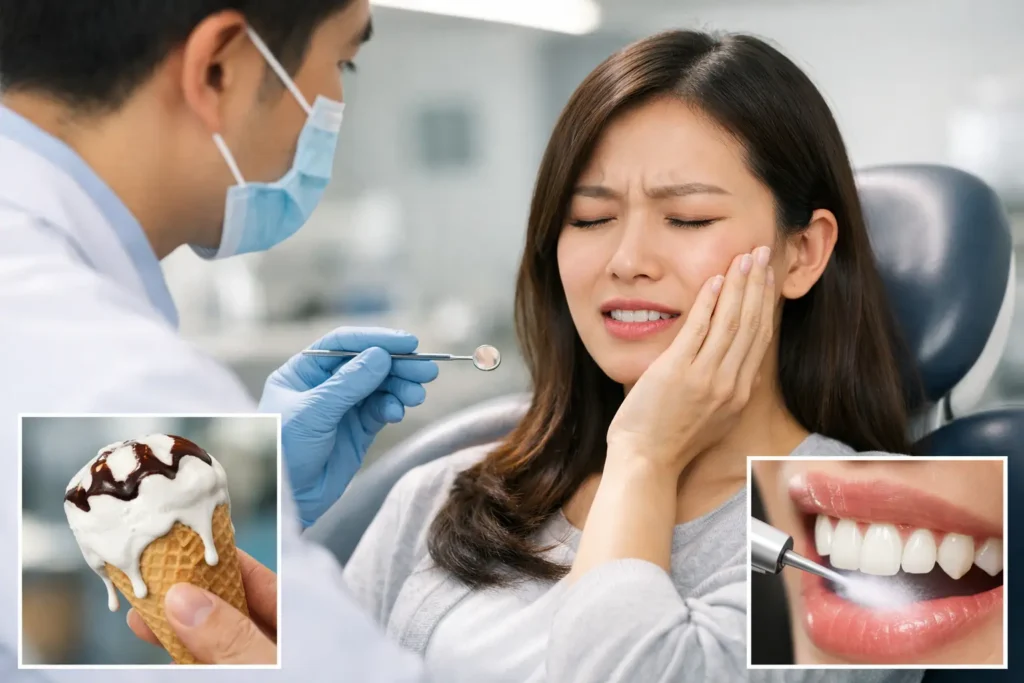
A sip of iced water should be refreshing, not painful. If a sharp twinge suddenly appears when you drink something cold, eat sweets, or breathe in cool air, you may be wondering about the reasons teeth become sensitive suddenly. While sensitivity can sometimes settle after a few days, a new or worsening pain can also be your tooth’s way of signaling a problem that needs attention.
Tooth sensitivity happens when the protective outer layers of a tooth no longer fully shield the sensitive inner tissue. Cold, heat, sweetness, acidity, or pressure can then travel through tiny channels in the tooth and stimulate the nerve. The feeling may be brief and sharp, or it may linger. The pattern of pain matters, which is why a dental examination is often the best way to find the real cause.
Why teeth become sensitive suddenly
Sensitivity is not always caused by one major dental issue. Sometimes it develops after a change in your routine, such as switching toothpastes, whitening your teeth, drinking more acidic beverages, or brushing more firmly than usual. In other cases, it points to decay, a crack, gum disease, or an infection.
1. Enamel has worn down
Enamel is the hard outer covering of your teeth. Over time, acidic foods and drinks, frequent snacking, acid reflux, or vigorous brushing can gradually wear it away. Once enamel becomes thinner, cold and sweet foods can reach the sensitive layer beneath it more easily.
This type of sensitivity may affect several teeth rather than one specific spot. It can be especially noticeable after soda, citrus drinks, sports drinks, or sour foods. Brushing immediately after consuming acidic food or drink may make the wear worse because enamel is temporarily softened. Rinse with water first and wait about 30 minutes before brushing.
2. Gums have receded
Healthy gums protect the tooth roots. When gums recede, the root surface becomes exposed. Unlike the crown of a tooth, roots do not have thick enamel, so they can be very sensitive to cold air, cold drinks, and brushing.
Recession can occur from gum disease, brushing too aggressively, clenching and grinding, or simply changes that happen with age. It does not always cause obvious pain at first. A dentist can check whether sensitivity is related to gum health and recommend treatment that protects both your gums and the exposed root surfaces.
3. A cavity is starting or getting deeper
Tooth decay does not always hurt right away. As a cavity progresses through the enamel and gets closer to the tooth’s nerve, sensitivity to sweets, cold drinks, or hot foods can become more noticeable. You may also feel food catching in one area or notice a rough spot with your tongue.
A small cavity is usually simpler to treat with a filling than a large cavity. Waiting until the pain becomes severe may mean the decay has reached the pulp, where root canal treatment could be needed to save the tooth. Sudden sensitivity in one tooth is a good reason to arrange a checkup rather than assume it will pass.
4. A filling, crown, or bonded tooth needs attention
Dental restorations are designed to protect your teeth, but they can wear over time. A filling may chip, loosen, or develop a small gap around its edge. A crown can also lose its seal. When this happens, bacteria and temperature changes may reach the underlying tooth structure.
Sensitivity after a recent filling can occur for a short period, particularly if the decay was deep or the tooth was already irritated. However, pain that persists, worsens, or occurs when you bite down should be checked. Your bite may need a minor adjustment, or the tooth may require further treatment.
5. A tooth is cracked
Cracks are easy to miss because they may not be visible in a mirror and do not always show clearly on an X-ray. Biting hard foods, chewing ice, grinding your teeth, or trauma can create tiny cracks in enamel or deeper fractures in the tooth.
A cracked tooth often causes pain that comes and goes. You may feel a sharp sensation when releasing your bite after chewing, or sensitivity that appears without a clear pattern. Early assessment is valuable because some cracks can be protected with a crown, while a deeper crack may need more complex care.
6. Teeth whitening has temporarily irritated the teeth
Whitening treatment can make teeth sensitive, especially during the first few days. Whitening ingredients can pass through enamel and temporarily irritate the nerve inside the tooth. This does not necessarily mean whitening has damaged your teeth, but the treatment may need to be adjusted.
If sensitivity develops while whitening, pause the treatment and speak with your dentist before continuing. A lower-strength product, shorter application time, or desensitizing toothpaste may help. Whitening should also be avoided if you have untreated cavities, cracked teeth, leaking fillings, or active gum problems, as these conditions can make discomfort much worse.
7. The tooth nerve may be inflamed or infected
Pain that lingers after hot or cold food has gone, wakes you at night, throbs, or causes swelling needs prompt dental attention. These can be signs that the pulp, the soft tissue containing the nerve and blood supply inside a tooth, is severely inflamed or infected.
An infected tooth will not heal with home remedies alone. Depending on the condition of the tooth, treatment may involve root canal therapy to remove infection and preserve the tooth, or extraction if the tooth cannot be saved. Facial swelling, fever, difficulty swallowing, or trouble breathing should be treated as urgent symptoms.
What to do when a sensitive tooth catches you by surprise
Start with gentle care. Use a soft-bristled toothbrush and fluoride toothpaste, and brush with light pressure along the gumline. A toothpaste made for sensitive teeth may help by reducing how strongly the nerve responds to triggers, but it usually takes consistent use for one to two weeks before you notice a difference.
For a few days, avoid very hot, very cold, sugary, and acidic foods if they trigger pain. Do not scrub the sensitive area or try to pick at it with sharp objects. If you suspect you grind your teeth, avoid chewing hard foods and mention jaw soreness, headaches, or worn teeth at your appointment.
Over-the-counter pain relief may be suitable for some people, but follow the label directions and check with a pharmacist or health professional if you have medical conditions, take regular medication, are pregnant, or are unsure what is safe for you. Placing aspirin directly on a gum or tooth is not recommended because it can burn the soft tissue.
When sensitivity needs a dental visit
A dental visit is sensible when sensitivity lasts more than a few days, returns repeatedly, affects one tooth, or prevents you from eating and drinking comfortably. It is particularly important if the tooth hurts when you bite, you see a chip or dark area, your gums are swollen, or the pain lingers after the trigger is gone.
At an examination, your dentist may assess your gums, check the tooth for decay or cracks, review existing fillings or crowns, and take digital X-rays when needed. The right treatment depends on the cause. It may be as conservative as fluoride treatment, a desensitizing product, or a small filling. For more advanced problems, a crown, gum treatment, or root canal therapy may be the better long-term solution.
Sudden sensitivity is often manageable, but it deserves a thoughtful response rather than guesswork. Taking action early can relieve discomfort, protect more of your natural tooth structure, and help you get back to enjoying everyday meals and drinks with confidence.

Pingback: 7 Signs You Need a Root Canal Treatment Soon - Klinik Pergigian Kulim